
When researching industrial properties, one of the first things I look at is the zoning. A property might have a great location, a functional building, and plenty of yard space, but that does not necessarily mean a business can use it for whatever it wants.
This is something I think industrial property owners should pay more attention to, especially in areas like Mound House, Dayton, Carson City, and the surrounding Northern Nevada markets.
Not All Industrial Zoning Is the Same
One common misconception is that if a property is zoned industrial, almost any industrial business can operate there.
That is not always true.
Depending on the jurisdiction, industrial zoning can be divided into different classifications, such as light industrial, heavy industrial, or service industrial. Each classification can have its own requirements and restrictions.
For example, Lyon County has specific industrial and employment zoning districts that establish different standards for industrial properties.
A contractor looking to store equipment outside may have different zoning requirements than a company looking to operate a manufacturing facility.
This becomes especially important when an owner is trying to lease or sell a property to a business with a specific use in mind.
Outdoor Storage Can Be a Major Factor
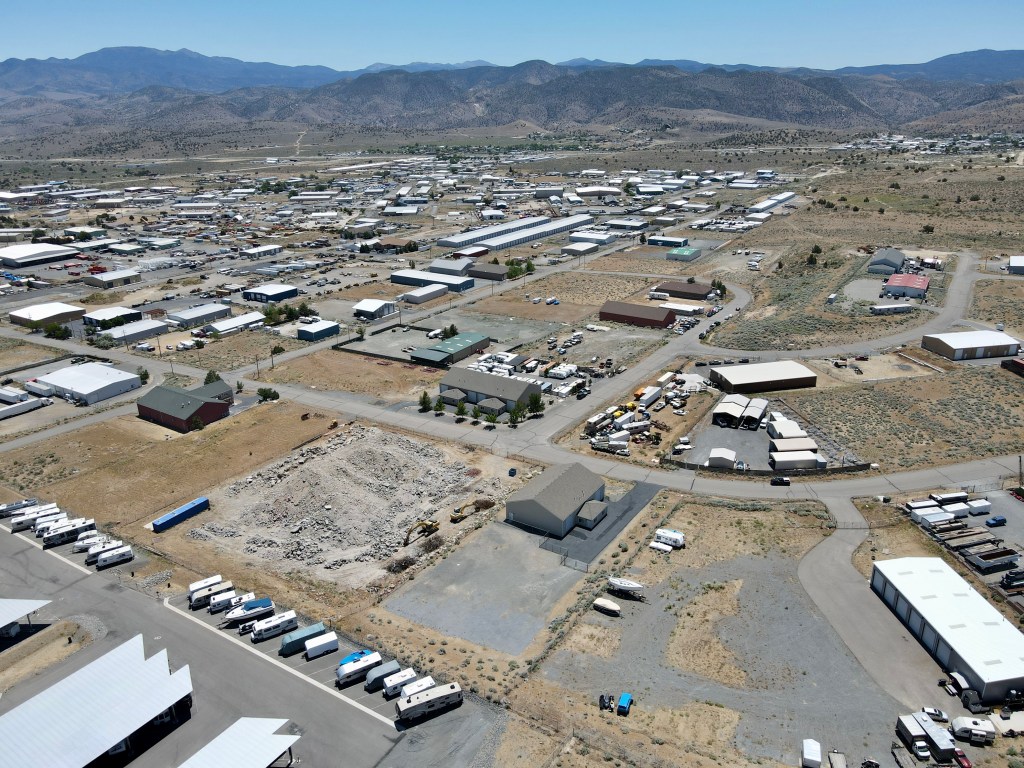
One thing I have noticed in the industrial market is how much value certain businesses place on having usable yard space.
Contractors, equipment companies, and businesses operating large vehicles often need outdoor areas for storage and daily operations.
However, just because a property has vacant land does not mean that land can automatically be used for outdoor storage.
Depending on the zoning and location, there may be requirements involving screening, setbacks, paving, or conditional use permits.
For example, the Lyon County land use tables identify which uses are permitted in different zoning districts and which may require additional approvals.
For an owner, understanding these restrictions ahead of time can help prevent problems when marketing a property to potential tenants or buyers.
How Zoning Can Impact Property Value
Zoning can also influence how many potential buyers or tenants a property attracts.
If a building can accommodate several different types of businesses, it may appeal to a larger group of users. On the other hand, a property with more restrictive zoning may have fewer potential occupants.
This does not automatically make one property more valuable than another, but it can affect demand and marketability.
It is also important to understand that zoning is only one part of the equation. Building permits, fire requirements, utility capacity, and other regulations may still determine whether a particular business can operate at the property.
What Owners Should Know
For industrial property owners, I think it is worth understanding what uses are currently allowed at their property, especially before making improvements or negotiating a new lease.
If a tenant is interested in a property, confirming that their intended use is permitted before signing an agreement can save both parties time and money.
The same applies when selling. Being able to clearly explain the zoning and potential uses of a property can help buyers evaluate whether the building works for their needs.
If you own an industrial property in Northern Nevada and have questions about its zoning, permitted uses, or how those factors could impact its value, feel free to reach out. I would be happy to help research the property and discuss how it fits into the current market.


Leave a Reply