
One thing I have noticed while working in the Northern Nevada industrial market is that smaller industrial buildings often operate in a completely different market than larger distribution facilities. When people hear about industrial vacancy increasing or rental rates changing, they tend to assume that those trends apply to every industrial property. That is not always the case.
A 5,000-square-foot industrial building in Sparks and a 200,000-square-foot distribution warehouse in the North Valleys serve very different types of businesses. Because of this, I think it is important for owners to understand how their property fits into the market rather than relying on the overall industrial numbers.
Different Buildings Attract Different Tenants
Smaller industrial properties are often occupied by local businesses such as contractors, automotive companies, equipment suppliers, and service providers. These businesses generally need functional space where they can store equipment, operate their business, and have access to customers throughout the area.
Larger distribution facilities are typically designed for companies moving significant amounts of inventory. They often require higher clear heights, substantial loading capabilities, and access to major transportation routes.
This difference matters because the demand for smaller industrial properties is not necessarily driven by the same factors as demand for large warehouses.
Understanding the Supply of Small Industrial Buildings
Another thing worth looking at is how much available inventory exists within a particular building size.
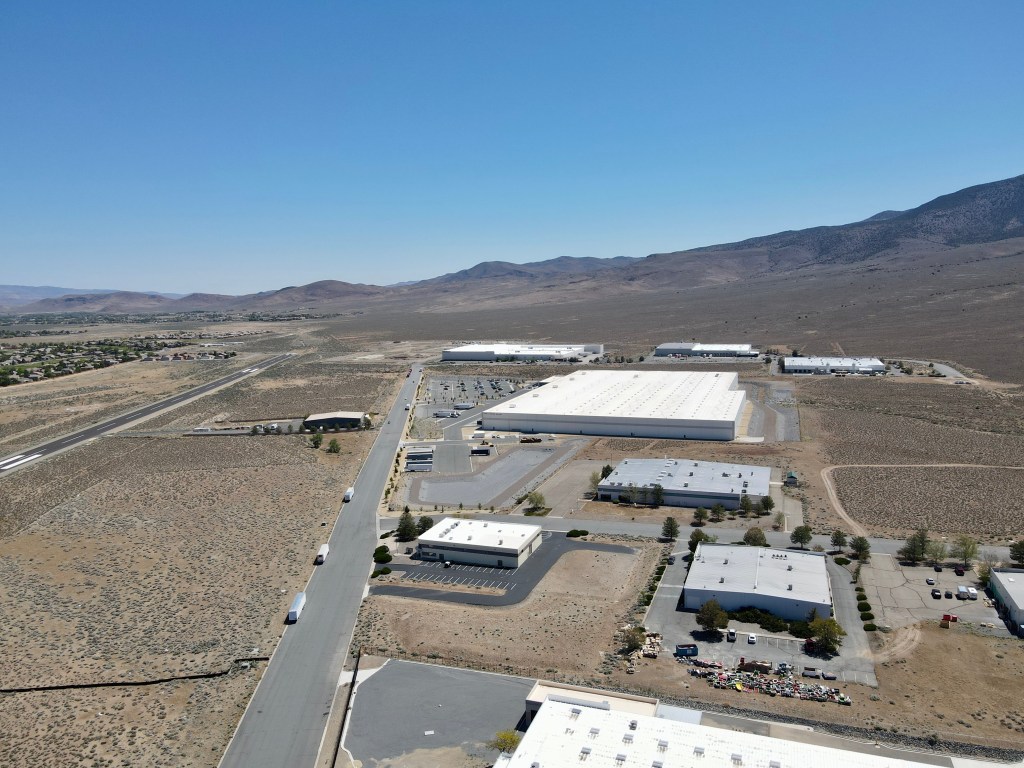
Throughout Northern Nevada, we have seen significant industrial development over the years, but much of that construction has been focused on larger warehouse and distribution facilities.
Building smaller industrial properties can be challenging because of land costs, construction expenses, and the amount of rent needed to justify a new development.
For owners of existing small-bay industrial buildings, this is worth paying attention to. If there are relatively few comparable buildings available for lease or sale, that can influence the property’s competitive position.
Reports such as CBRE’s Reno industrial market research provide useful information about overall vacancy, leasing activity, and industrial development. However, I think owners should also look at the inventory within their specific building size and location.
Why This Matters for Property Values
One thing I regularly look at when researching industrial properties is how many similar buildings are currently available.
If an owner has a 6,000-square-foot industrial building with a fenced yard, multiple roll-up doors, and adequate power, the most relevant competition may be a handful of properties rather than the entire industrial market.
The number of potential buyers or tenants interested in that specific type of building can have a significant impact on pricing.
The same applies to rental rates. A smaller industrial building may command a different rate per square foot than a large warehouse because of its size, functionality, and the businesses it serves.
What Owners Should Be Paying Attention To
For owners of smaller industrial properties, I think the most useful information is often found by looking at comparable buildings in the immediate area.
Understanding current asking rents, recent lease transactions, available inventory, and recent sales can provide a much clearer picture of where a property stands.
Resources such as Colliers’ research and market reports can be a starting point for understanding broader industrial trends, but the details of the individual property still matter.
If you own a small industrial building in Reno, Sparks, Carson City, or the surrounding areas, I would be happy to put together a market survey showing how your property compares to similar buildings. Even if you have no plans to sell or lease anytime soon, understanding your property’s position in the market can be useful when making future decisions.


Leave a Reply