
One of the biggest distinctions I have learned while working in industrial commercial real estate is the difference between an owner-user property and an investment property. Although both involve purchasing commercial real estate, the reasons behind the purchase and the way buyers evaluate the property can be completely different.
For industrial property owners, I think understanding these differences is important because it can help determine how their property should be valued, marketed, and positioned when the time comes to sell.
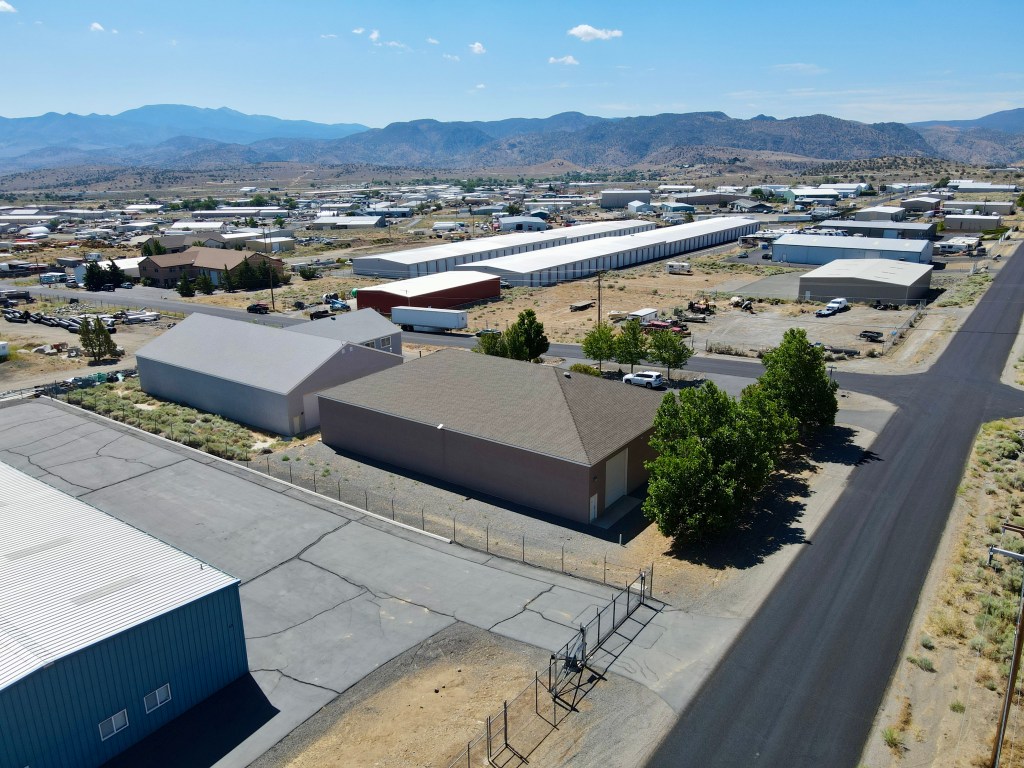
What Is an Owner-User Property?
An owner-user property is a building purchased by a business that intends to occupy the space for its own operations.
In Northern Nevada, this could be a contractor, manufacturer, automotive business, or another company looking for a facility that meets its operational needs.
These buyers are generally focused on things like location, building size, power, loading capabilities, yard space, and whether the property can accommodate their business.
For example, a contractor purchasing a 6,000-square-foot industrial building may be more concerned with having adequate yard space and multiple roll-up doors than with how much rental income the building could produce.
Financing can also play a role in an owner-user’s decision. Programs such as the SBA 504 Loan Program can provide eligible businesses with long-term financing for qualifying commercial real estate purchases.
For this type of buyer, the functionality of the property can be one of the biggest factors influencing what they are willing to pay.
What Is an Investment Property?
An investment property is generally purchased with the intention of generating income from tenants or benefiting from future appreciation.
Investors tend to evaluate properties differently because they are focused on the financial performance of the real estate.
Some of the main things investors look at include rental income, operating expenses, tenant quality, remaining lease terms, and the property’s net operating income.
They may also use capitalization rates, commonly referred to as cap rates, to compare the income a property generates with its purchase price.
For example, a fully leased industrial building with a strong tenant and several years remaining on the lease may appeal to an investor looking for predictable income.
How These Differences Impact Property Value
One thing I find interesting is that the same industrial building could have different values depending on whether it is being evaluated by an investor or an owner-user.
An investor may be unwilling to pay a certain price because the rental income does not support their desired return. However, an owner-user may see additional value in the building because it fits their business requirements and eliminates the need to continue leasing space.
The opposite can also be true. A property with a strong long-term lease may be attractive to an investor but less desirable to an owner-user who needs to occupy the building immediately.
This is why understanding the potential buyer pool is such an important part of determining a property’s market value.
What Owners Should Consider
For owners thinking about selling an industrial property, I think one of the first questions should be who the most likely buyer is.
If the property is vacant, it may be worth evaluating demand from owner-users and investors looking for a leasing opportunity. If the property is occupied, the existing lease terms and the tenant’s plans can have a major influence on the types of buyers who will be interested.
Understanding these factors can help owners develop a more realistic pricing strategy and identify which property characteristics should be emphasized.
Ultimately, there is no single approach that works for every industrial property. The more an owner understands about their building, its income potential, and the buyers operating in the market, the better prepared they will be to make an informed decision about their real estate.
Let’s Talk About Your Property
If you own an industrial property in Northern Nevada and are considering selling, I would be happy to help you understand which types of buyers may be interested in your building and how that could impact its value. Whether your property is vacant, owner-occupied, or leased to a tenant, I can provide a property valuation and review recent comparable sales to help you understand where your property stands in today’s market. Feel free to reach out if you would like to discuss your options.


Leave a Reply