
One thing I have noticed while researching industrial properties throughout Northern Nevada is how much the condition and functionality of a building can impact its value. Two industrial buildings can be similar in size and location but attract very different buyers depending on how well they have been maintained and what improvements have been made over the years.
For owners, I think it is important to understand which improvements can actually add value to a property and which ones may not provide the same return.
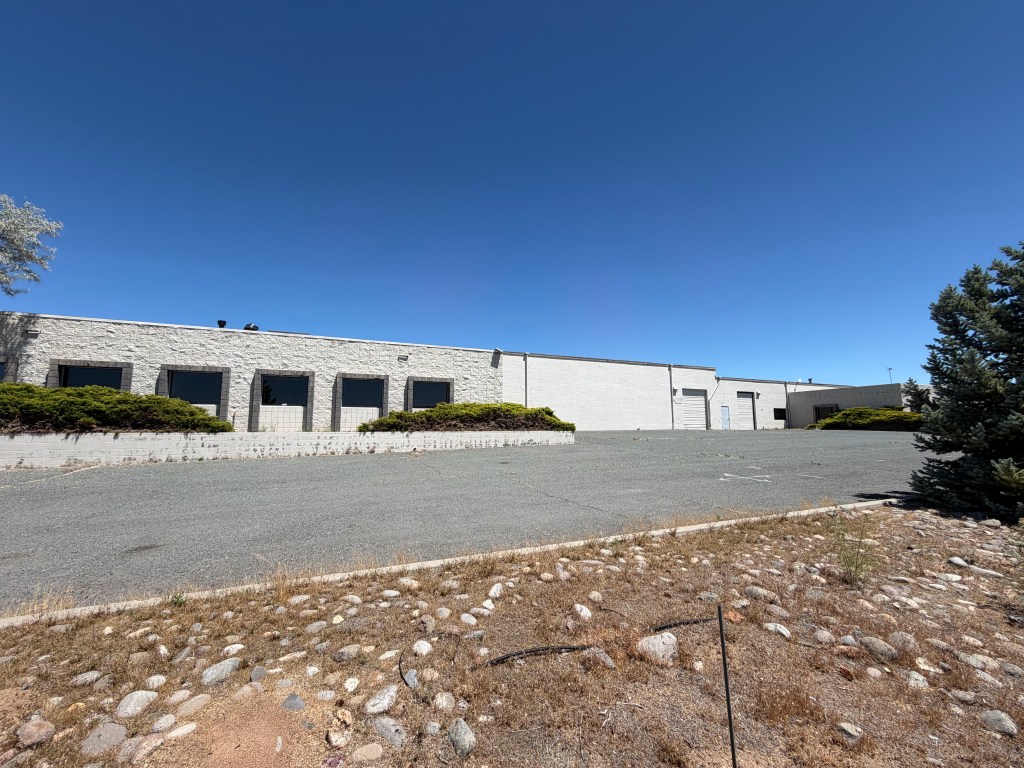
Maintaining the Building
One of the first things I pay attention to when researching or touring an industrial property is its overall condition.
Things like the roof, HVAC systems, electrical infrastructure, and parking areas can all make a difference when a buyer is evaluating a building. These are also items that can become expensive if they have not been properly maintained.
For example, a property with a recently replaced roof and updated mechanical systems may be more attractive than a similar building where the buyer expects to make significant repairs shortly after purchasing it.
The U.S. Department of Energy’s commercial buildings resources also highlight the importance of building performance and energy efficiency. Improvements that reduce operating costs can be beneficial for owners and tenants, especially when evaluating a property’s long-term expenses.
This does not necessarily mean every improvement increases the property’s value dollar for dollar, but it can help reduce concerns that buyers may have during the due diligence process.
Improvements That Increase Functionality
Another important consideration is how improvements affect the functionality of an industrial building.
In my experience, industrial buyers are often looking for specific features that allow them to operate their businesses efficiently. Things like additional electrical capacity, larger roll-up doors, improved yard access, and usable warehouse space can all influence how desirable a property is.
For example, a contractor may place significant value on having a fenced yard for equipment storage, while a manufacturing company may prioritize electrical capacity and clear height.
This is why I think owners should consider the type of businesses that would be interested in their property before making major improvements.
Understanding the Cost Versus the Return
Something I think is important for owners to recognize is that not every dollar spent on a building translates into an additional dollar of property value.
An owner could spend a significant amount of money improving office space, but if most potential buyers are looking for warehouse or manufacturing space, those improvements may not provide the return they expected.
On the other hand, addressing deferred maintenance or making improvements that expand the property’s potential uses could make it more competitive.
Owners should also be aware of potential environmental concerns, especially with older industrial properties. The Environmental Protection Agency’s guidance on All Appropriate Inquiries explains the environmental assessment process commonly used during commercial property acquisitions.
Before completing a major renovation, it can be helpful to review comparable properties and understand what buyers and tenants in the area are actually looking for.
Planning for the Future
Whether an owner plans to sell their building next year or hold onto it for another ten years, maintaining the property should be part of their long-term strategy.
I think one of the best things an owner can do is keep records of improvements, repairs, and maintenance completed over the years. Having that information readily available can be beneficial when a buyer begins evaluating the property.
Ultimately, the goal should be to maintain a building that is functional, competitive, and attractive to the types of businesses operating in the market. Understanding which improvements matter most can help owners make better decisions about where to invest their money.
Let’s Talk About Your Property
If you own an industrial building in Northern Nevada and have been considering making improvements, I would be happy to help you understand how those changes could impact its marketability and value. I regularly research industrial properties throughout Reno, Sparks, Carson City, and the surrounding areas, and can provide insight into what buyers are currently looking for. Feel free to reach out if you would like a property valuation or simply want a second opinion before investing money into your building.


Leave a Reply