
One thing I have noticed when researching industrial properties is that access can make a significant difference in how useful a building is to a potential buyer or tenant. A property might have plenty of warehouse space, a good location, and a large yard, but if getting trucks or equipment in and out is difficult, that can limit the types of businesses interested in the property.
For industrial owners, I think it is important to understand not only the physical access to their building but also any legal restrictions that could affect how the property is used.
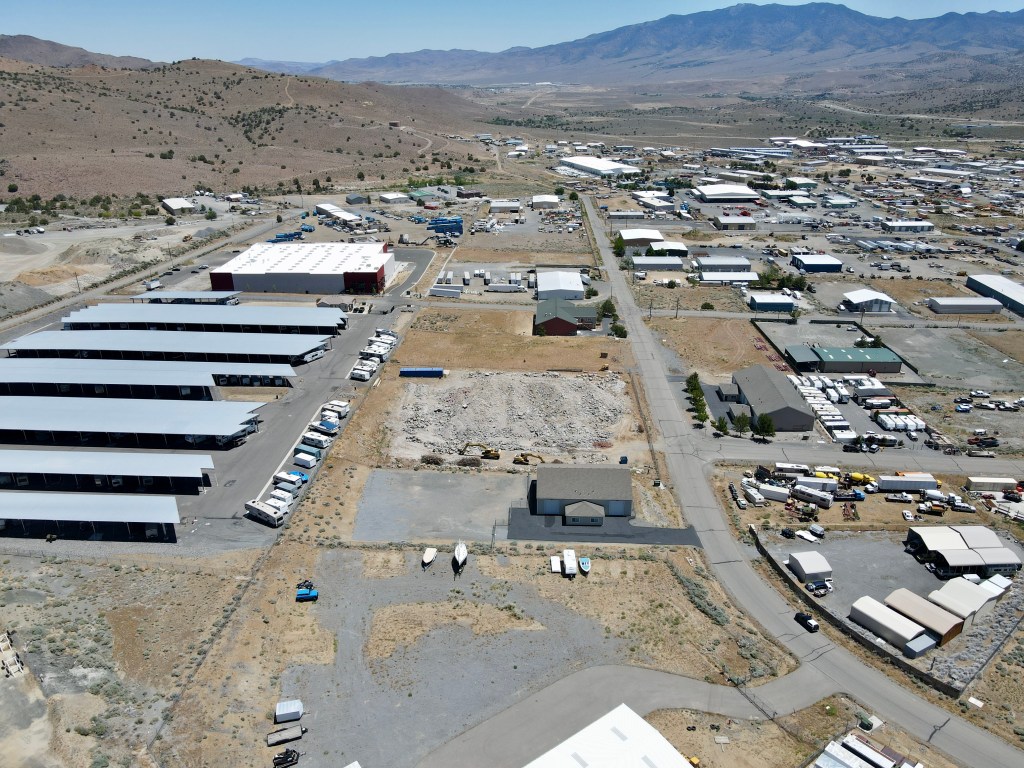
Understanding Easements
An easement generally gives another party a legal right to use a specific portion of someone else’s property for a particular purpose.
For example, an industrial property may have an access easement allowing a neighboring business to use part of its driveway. Other common examples include utility easements for power lines, water lines, or underground infrastructure.
These arrangements can be important because they may limit what an owner can build or store in certain areas of the property.
The Cornell Legal Information Institute’s explanation of easements provides a useful overview of how these property rights work.
For owners, I think understanding where easements are located and what they allow is an important part of knowing their property.
Why Access Matters for Industrial Users
Industrial properties often have different access requirements than traditional office or retail buildings.
A contractor may need to move large trucks and trailers throughout the property, while a distribution business may need adequate turning space for deliveries.
Something as simple as the width of a driveway or the location of a gate can make a difference in whether a building works for a particular business.
For example, a property with a large fenced yard might look attractive to a contractor. However, if a utility easement crosses the yard or the access road cannot accommodate larger vehicles, the property may not be as functional as it initially appears.
This is why I think it is important to evaluate the entire site rather than focusing only on the building’s square footage.
Reviewing Surveys and Property Records
One thing owners should consider is reviewing their existing survey and title documents to understand any easements or access restrictions affecting the property.
An ALTA/NSPS land title survey can help identify certain recorded easements, improvements, and other site conditions relevant to a real estate transaction.
The American Land Title Association provides resources related to land title matters and the survey standards used in commercial real estate.
Owners should also understand that a survey and title review serve different purposes. A title company, surveyor, or real estate attorney may need to help determine the legal extent of a particular easement.
Having this information available can be especially useful when a buyer begins the due diligence process.
How Access Can Affect Property Value
One of the biggest factors influencing industrial property value is how well the building and site accommodate potential users.
A property with good truck access, functional loading areas, and usable yard space may appeal to a broader group of businesses.
On the other hand, limited access or restrictions on portions of the site can make a property less attractive to certain buyers.
This does not necessarily mean the property has a problem, but it can influence who is interested and what they are willing to pay.
What Owners Should Know
For industrial property owners, I think it is worth taking the time to understand the access rights and restrictions associated with their property.
Before selling, leasing, or making significant site improvements, reviewing the survey, title documents, and existing access arrangements can help identify potential issues.
Even if an owner has no plans to sell, understanding these details can help when making future decisions about the property.
Let’s Talk About Your Property
If you own an industrial property in Reno, Sparks, Carson City, or the surrounding areas and want to understand how its layout, access, and functionality compare to other properties in the market, feel free to reach out. I would be happy to review the property’s characteristics and discuss how they could influence its marketability and value.


Leave a Reply