
One thing I have learned from working with industrial properties is that environmental concerns can become a major part of a real estate transaction. A building might have a good location, functional warehouse space, and strong buyer interest, but an environmental issue can quickly change how someone evaluates the property.
This is something I think industrial property owners should understand, especially if they have owned their building for a long time or have tenants operating businesses that involve chemicals, fuel, or other potentially hazardous materials.
Why Environmental Issues Matter
Industrial properties can have environmental concerns that are not always obvious during a property tour.
Depending on how the property has been used over the years, there could be issues involving underground storage tanks, petroleum products, chemicals, or contaminated soil.
For example, a building that has been used for automotive repair or equipment maintenance may require a different level of environmental review than a warehouse used strictly for storing packaged products.
That does not mean the property has an environmental problem, but it does mean buyers and lenders may want additional information before moving forward.
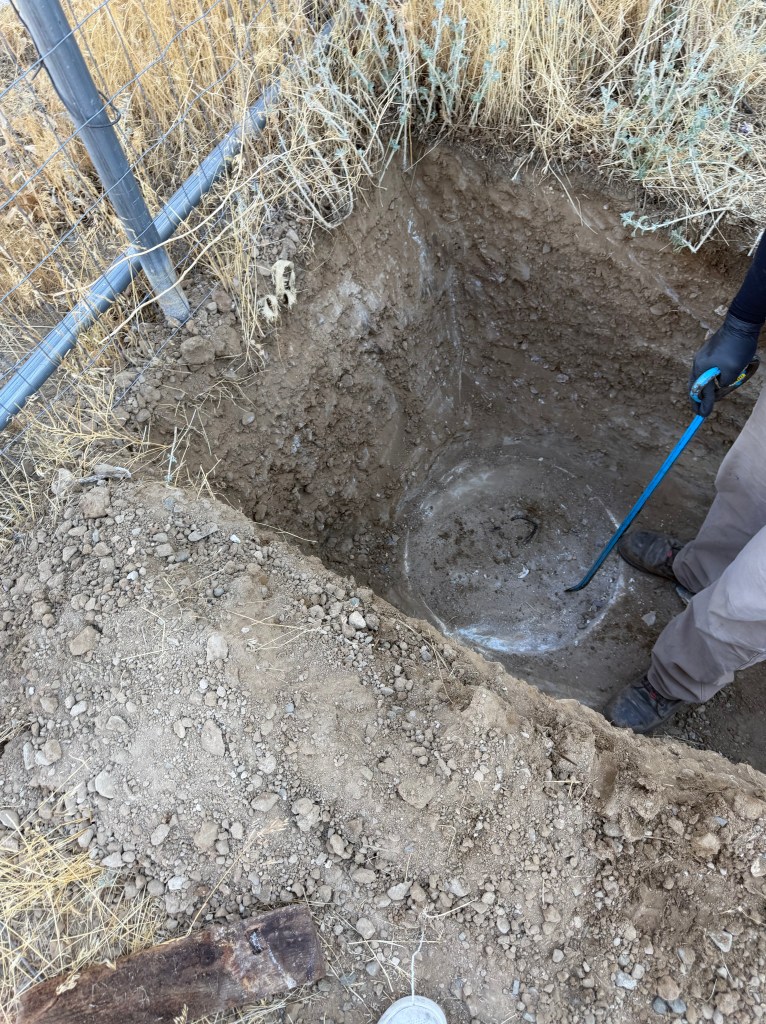
Understanding a Phase I Environmental Assessment
One of the most common steps during the purchase of an industrial property is a Phase I Environmental Site Assessment.
A Phase I generally involves reviewing historical property uses, regulatory records, and site conditions to identify potential environmental concerns. It does not normally involve collecting soil or groundwater samples.
The Environmental Protection Agency’s guidance on All Appropriate Inquiries explains the environmental investigation process that buyers may use when evaluating commercial properties.
If a Phase I identifies certain concerns, additional testing through a Phase II assessment may be recommended.
For owners, I think it is important to understand that an environmental assessment is not necessarily a sign that something is wrong with the property. It is a common part of the due diligence process, particularly for industrial real estate.
How Environmental Concerns Can Affect a Sale
Something worth considering is how environmental issues can affect the timing and structure of a transaction.
If a buyer discovers a potential issue during due diligence, they may request additional testing, ask the seller to address the concern, or reconsider the purchase.
These situations can create unexpected costs and delays, especially when neither party has a clear understanding of the issue.
The Nevada Division of Environmental Protection provides information about environmental regulations and programs that may be relevant to industrial properties throughout the state.
I think owners can put themselves in a better position by keeping records of previous environmental reports, site improvements, and any remediation work that has been completed.
What Owners Should Consider
For industrial property owners, understanding the history of the property is an important part of preparing for a future sale.
Even if an owner has no intention of selling anytime soon, knowing how the property has been used and maintaining accurate records can help avoid unnecessary questions later.
If an environmental concern does come up, working with a qualified environmental professional early can help determine what actually needs to be addressed.
Ultimately, I think the biggest takeaway is that environmental issues are something owners should understand before they become a problem during a transaction.
Let’s Talk About Your Property
If you own an industrial property in Northern Nevada and are considering selling, I would be happy to help you understand what information buyers typically request during due diligence. Whether you have previous environmental reports or questions about preparing your property for the market, feel free to reach out and we can discuss the next steps.


Leave a Reply