
One thing that comes up in conversations with commercial property owners is what happens to the proceeds when they sell a property. For owners who have held their real estate for a long time, there may be a significant amount of appreciation, which can create a substantial tax liability when the property is sold.
Something I think more owners should understand is the option of completing a 1031 exchange. While it is not the right strategy for everyone, it can be a useful tool for owners who want to sell one investment property and purchase another.
What Is a 1031 Exchange?
A 1031 exchange allows an owner to potentially defer recognizing capital gains when selling qualifying investment or business real estate and reinvesting the proceeds into another qualifying property.
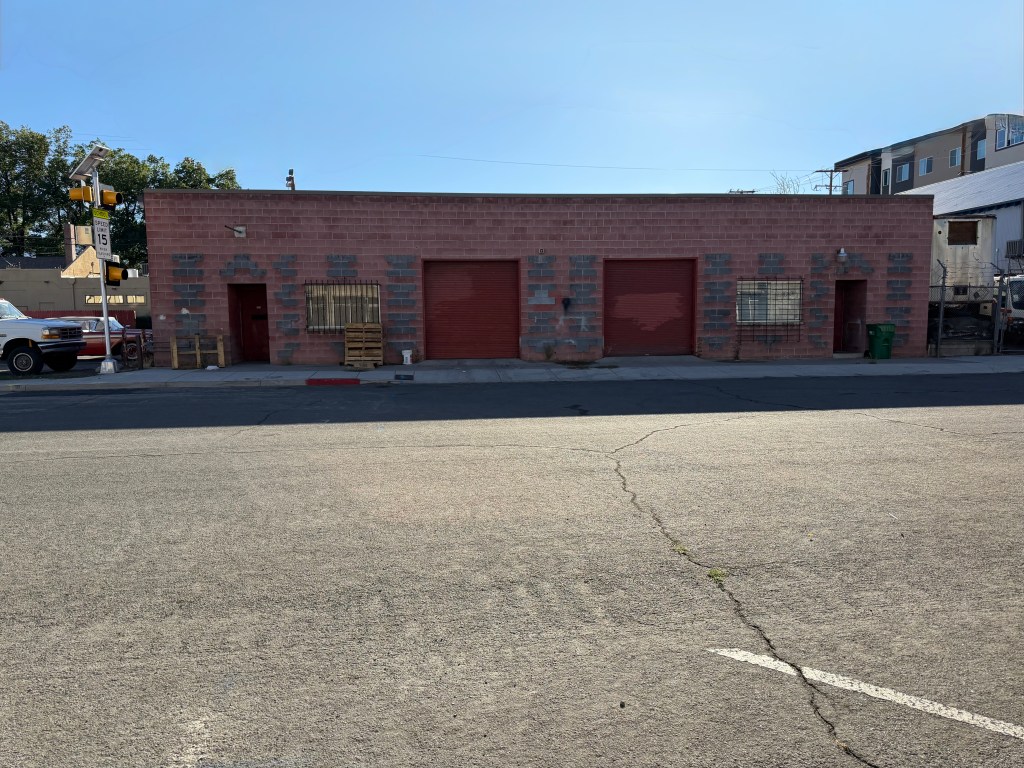
For example, an investor who owns an industrial building in Sparks may decide to sell that property and purchase another investment property in Reno or a different market.
Rather than immediately recognizing the gain from the sale, the owner may be able to defer that gain by following the requirements of a 1031 exchange.
The Internal Revenue Service’s guidance on like-kind exchanges provides additional information about which transactions qualify and how the process works.
One important distinction is that real estate held primarily for personal use or resale generally does not qualify. An owner-occupied business property may qualify if it meets the applicable requirements, but the owner should review their specific situation with a tax professional.
Understanding the Timeline
One of the most important parts of a 1031 exchange is the timeline.
Generally, an owner has 45 days after transferring the relinquished property to identify potential replacement properties and 180 days to complete the purchase, subject to applicable tax-return deadlines.
These timelines can create challenges if an owner sells their property without having a plan for what they want to purchase next.
I think this is especially important in industrial real estate because finding the right replacement property can take time. Building size, location, tenant occupancy, and pricing all need to make sense for the investor.
The IRS instructions for Form 8824 provide additional details about exchange reporting and the applicable rules.
Why Planning Ahead Matters
Something I would recommend to any owner considering a 1031 exchange is to start planning before their property goes under contract.
A properly structured exchange generally requires a qualified intermediary, and the seller cannot simply receive the proceeds and then decide to complete an exchange afterward.
Owners should also consider what they want to accomplish with their next investment.
Some investors may want to move into a larger property, while others may want to reduce their management responsibilities by purchasing a building with a longer-term tenant.
There is also the possibility that an owner wants to sell several smaller properties and consolidate their investment into one larger asset.
Understanding the objective beforehand can make it easier to identify suitable replacement properties.
What This Means for Industrial Owners
For industrial property owners throughout Northern Nevada, a 1031 exchange can provide an opportunity to reposition a real estate portfolio without immediately recognizing all of the gain that would otherwise be taxable.
However, the process involves strict requirements, and a 1031 exchange defers eligible taxes rather than automatically eliminating them.
This is why I think owners should work with their CPA, tax attorney, and qualified intermediary before moving forward.
If you own an industrial investment property in Northern Nevada and have been considering selling or exchanging into another asset, I would be happy to discuss your property’s current market value and potential replacement property opportunities. Understanding your options before selling can make a significant difference in how you approach the transaction.


Leave a Reply