
The Northern Nevada industrial market has experienced quite a bit of change over the past few years. Between new construction, changing interest rates, and shifts in tenant demand, the market today looks different than it did during the period of rapid industrial growth. For property owners, I think it is important to understand what these changes mean and how they could impact the value of their real estate.
Industrial Vacancy Is Starting to Improve
One of the biggest things I have been paying attention to is industrial vacancy throughout the Reno-Sparks market.
According to CBRE’s third-quarter 2026 industrial report, vacancy decreased to 9.3%, down from 10.9% in the first quarter of the year. The market also recorded approximately 701,000 square feet of positive net absorption during the third quarter.
This is encouraging because it shows that industrial space is continuing to be occupied, even after the significant amount of new construction we have seen in recent years.
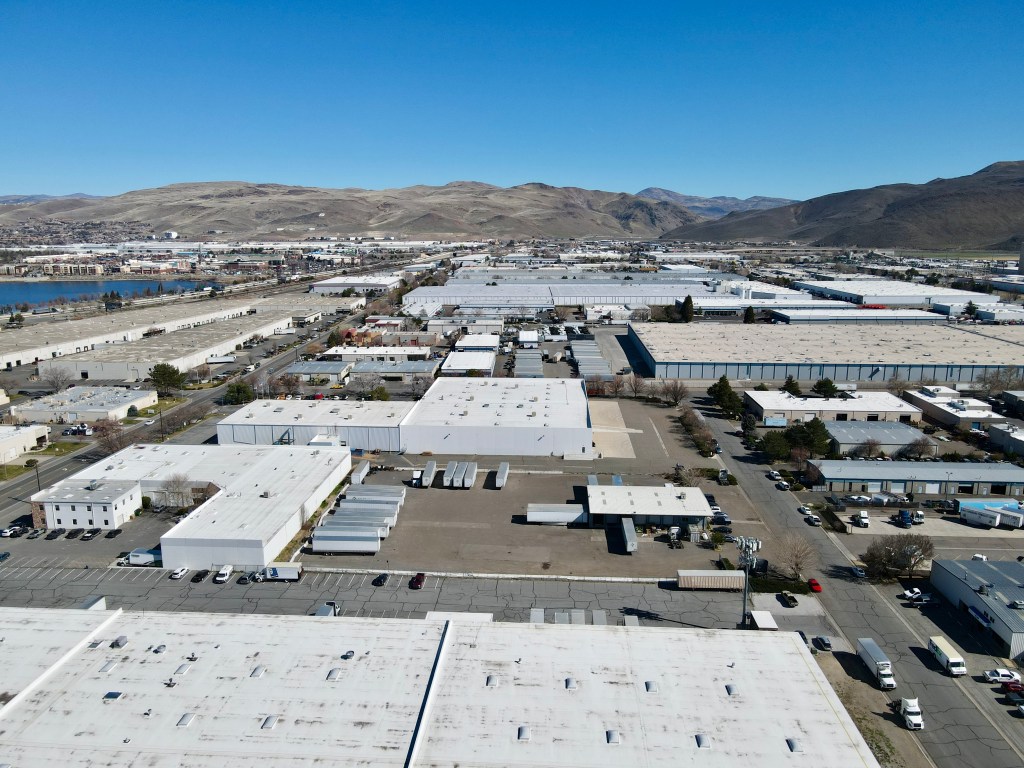
However, I think it is important to recognize that these numbers represent the broader market. Conditions for a smaller industrial building in Sparks can be very different from those for a large distribution facility in the Tahoe-Reno Industrial Center.
Not All Industrial Properties Are the Same
Something I have learned from working in industrial real estate is that the functionality of a property can be just as important as its location.
Different businesses have different requirements. Some need substantial power, while others prioritize yard space, loading capabilities, clear height, or proximity to major highways.
Because of this, industrial properties do not all respond to market changes in the same way. A building that works well for one business may not work for another, even if the properties are similar in size.
For owners, understanding what makes their property desirable to a particular buyer or tenant is an important part of understanding its value.
What This Means for Property Values
Another thing worth considering is how market activity translates into property values.
While improving vacancy and positive absorption are encouraging signs, they do not automatically mean every industrial property is increasing in value.
Interest rates, financing conditions, building characteristics, and recent comparable sales still play a major role in determining what buyers are willing to pay.
For investment properties, lease terms and rental income can also have a significant impact on pricing. Owner-user properties may be evaluated differently because buyers are often focused on how well the building accommodates their operations.
This is why I think owners should pay attention to transactions involving properties similar to their own rather than relying solely on broader market statistics.
Looking Ahead
As we move toward the end of 2026, I will be paying close attention to industrial vacancy, leasing activity, and the types of properties buyers are pursuing throughout Northern Nevada.
The market has shown signs of improving demand, but there are still differences between locations and property types that owners need to understand.
Whether someone is considering selling, leasing, or continuing to hold their property, having a good understanding of the market can help them make more informed decisions.
Ultimately, I think one of the most valuable things a property owner can do is stay informed about what is happening around them. Even if selling is not something they are considering today, understanding current market conditions can help them recognize opportunities when they come up. Reach out with Questions, I have these conversations everyday and I am happy to share how it affects your property.
https://www.cushmanwakefield.com/en/united-states/insights/us-marketbeats/reno-marketbeats


Leave a Reply